Source matte front shock absorber for Cars, Trucks, and SUVs
Compare 30 listings for matte front shock absorber options tailored for automotive suspension systems. Buyers can evaluate specifications, materials, and customization features from verified suppliers in China.
Key considerations
Products List


Comprehensive Sourcing Guide
Strategic Sourcing Guide for Matte Front Shock Absorber Components
Understanding Product Specifications and Material Composition
When sourcing components described as matte front shock absorbers, buyers must first distinguish between the visual finish and the underlying mechanical architecture. The term "matte" typically refers to a surface treatment applied to the cylinder or the external housing to reduce glare and improve aesthetic integration with vehicle chassis designs. However, the core functionality relies on the internal damping mechanism and the structural integrity of the mounting points. Based on available industry data, these components often utilize a hybrid material composition involving rubber, steel, and aluminum. The steel elements provide the necessary tensile strength for the piston rod and cylinder walls, while aluminum is frequently used for the mounting brackets or the outer casing to reduce unsprung weight.
The rubber component is critical for vibration isolation and noise reduction. In many configurations, the rubber is formulated as a synthetic rubber compound, often paired with a specific pad structure to enhance damping characteristics. The product structure may vary significantly between single and double-cylinder designs. For front suspension applications, the double-cylinder hydraulic structure is common, offering superior control over high-speed compression and rebound forces. The medium used within these assemblies often involves a metal frame layered with rubber sheets, which provides the necessary flexibility while maintaining structural rigidity under load.
Buyers should verify the specific product model numbers associated with their procurement needs, as the market offers a wide range of identifiers such as 1424228, 1434380, 1380425, and 1505563. These models often correspond to specific vehicle applications or OEM requirements. Furthermore, the "matte" finish is not merely cosmetic; it often implies a specific coating process that contributes to corrosion resistance. The product features frequently listed include corrosion resistance, wear resistance, heat resistance, cold resistance, insulation, and impact resistance. These attributes are essential for components exposed to the harsh undercarriage environment of a vehicle, where road salts, temperature fluctuations, and debris are constant threats.
Compliance, Certification, and Regulatory Standards
Navigating the regulatory landscape is a fundamental step in the procurement of automotive suspension components. The global market demands adherence to strict environmental and safety standards. Suppliers must provide evidence of compliance with major international directives. The supplied data indicates that test reports often cover RoHS (Restriction of Hazardous Substances), REACH, POPs (Persistent Organic Pollutants), PAHs (Polycyclic Aromatic Hydrocarbons), and TSCA (Toxic Substances Control Act). These certifications ensure that the materials used, particularly the synthetic rubber and any adhesives or coatings, do not contain prohibited levels of hazardous chemicals.
In addition to chemical compliance, quality management systems are paramount. Certifications such as ISO and SGS are frequently cited as benchmarks for supplier reliability. While specific ISO standards like 9001, 14001, and 45001 are often referenced in the broader industry context, buyers should request current, valid certificates from the specific supplier to confirm their active status. The presence of an ISO certification suggests that the manufacturer has implemented a systematic approach to quality control and continuous improvement.
For automotive applications, the "Universal" or "Customized" standard classification is a key differentiator. Some components are designed to fit a broad range of vehicle models, while others are tailored to specific OEM specifications. The product standard may be listed as "Customized" or "Universal," and this distinction dictates the level of engineering support required from the supplier. Buyers must verify that the supplier's test reports align with the specific regulatory requirements of the destination market. For instance, vehicles exported to the European Union must strictly adhere to REACH regulations, while those destined for North America must comply with TSCA and other EPA guidelines.
Cost Drivers and Pricing Dynamics
The pricing of matte front shock absorber components is influenced by a complex interplay of factors, including material costs, manufacturing complexity, and order volume. The observed price range in the market spans from $0.01 to $473, reflecting the vast difference between individual small parts, such as rubber pads or seals, and complete assembly units like hydraulic shock absorbers. This wide variance underscores the importance of defining the exact scope of the procurement. A buyer seeking a complete "Coil Spring Front Shock Absorber" will face a different price point than one sourcing a "Bumper/Buffer" or a "Control Arm" component.
Material costs are a primary driver. The use of high-grade steel, aluminum, and specialized synthetic rubber compounds directly impacts the base cost. The "Personalized Development on Performances Request" attribute indicates that custom rubber formulas can significantly increase the unit price due to the R&D and tooling expenses involved. Additionally, the structural complexity plays a role; double-cylinder hydraulic structures generally command a higher price than simpler single-cylinder designs due to the precision engineering required.
Order volume is another critical factor. The Minimum Order Quantity (MOQ) ranges from 1 to 100 units, offering flexibility for small-scale testing or prototyping, while larger orders may benefit from economies of scale. However, buyers should be cautious of extremely low prices, as they may indicate compromised material quality or a lack of necessary certifications. The lead time, typically around 7-15 days, also affects cost; expedited shipping or rush orders may incur additional premiums. Packaging requirements, such as pallets or plastic bags and cartons, can also add to the final landed cost, especially for international shipments where packaging must meet specific logistical standards.
Typical Applications and Vehicle Compatibility
Matte front shock absorber components are integral to the suspension systems of various vehicle types, primarily focusing on passenger cars and light commercial vehicles. The specific applications are often defined by the position of the component, such as "Front" or "Rear," and the specific function it serves. For front suspension, the components are designed to handle the primary steering and braking forces, requiring high durability and precise damping characteristics.
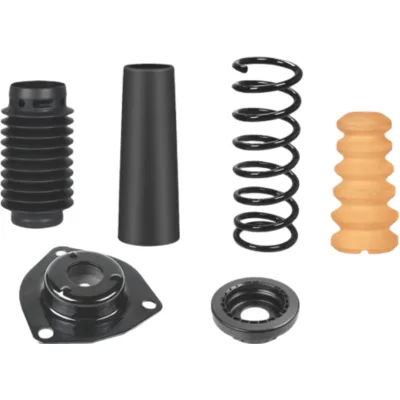
The supplied data highlights compatibility with specific vehicle brands, with Toyota being explicitly mentioned as a suitable application. This suggests that the components are often designed to meet or exceed OEM specifications for major manufacturers. The product types listed include "Coil Spring Front Shock Absorbers," "Shock Absorber Suspension Left Control Arm," and "Shock Absorber Parts." These components are essential for maintaining vehicle stability, ride comfort, and safety. The "Tailored" shape attribute indicates that these parts can be customized to fit specific chassis geometries, ensuring a perfect fit for the intended vehicle model.
Furthermore, the usage of these components extends beyond standard passenger vehicles. Industrial rubber slabs and related materials suggest that similar damping technologies are applied in heavy machinery or industrial equipment. The "Industrial Rubber Slab" usage category points to applications where vibration isolation is critical for equipment longevity and operator safety. Buyers should verify the specific vehicle brand and model compatibility before placing an order, as suspension components are highly vehicle-specific. The "Universal" standard may apply to certain aftermarket parts, but for OEM-level replacements, precise model matching is essential.
Supplier Evaluation and Manufacturing Capabilities
Selecting the right supplier requires a thorough evaluation of their manufacturing capabilities, quality control processes, and track record. The presence of in-plant inspection protocols such as FAI (First Article Inspection), Type Approval Test, IPQC (In-Process Quality Control), and OQC (Outgoing Quality Control) is a strong indicator of a supplier's commitment to quality. These processes ensure that every batch of products meets the specified requirements before shipment.
Traceability is another critical factor. The "V Code Indicating Batch No." attribute highlights the importance of traceability in the supply chain. This system allows buyers to track the production history of a specific batch, which is invaluable for quality audits and recall management. Suppliers with robust traceability systems can quickly identify the source of any defects and implement corrective actions.
The supplier's location is also a consideration. Origins such as Jinan, Ningbo, and China generally indicate a mature manufacturing ecosystem with access to a wide range of raw materials and skilled labor. However, buyers should verify the specific factory location to assess logistics costs and lead times. The ability to offer "OEM Optimization / ODM" services is a significant advantage for buyers looking to customize products for their specific needs. This capability allows for the development of personalized rubber formulas and structural optimizations that can enhance performance.
Quality Control and Long-Term Procurement Strategy
Ensuring long-term quality requires a proactive approach to quality control and supplier relationship management. The "High Damping Rubber" patent attribute suggests that some suppliers possess proprietary technologies that offer superior performance. Buyers should request detailed technical data sheets and test results to verify these claims. The "Round Buckle Antiskid Rubber Sheet" performance attribute indicates specific design features that enhance grip and stability, which should be validated through physical testing.
For long-term procurement, establishing a clear communication channel with the supplier is essential. The availability of samples allows buyers to test the product before committing to large orders. The "Sample: Yes" attribute confirms that many suppliers are willing to provide prototypes for evaluation. Buyers should use these samples to conduct rigorous testing, including durability, corrosion resistance, and performance under extreme temperatures.
Finally, buyers should consider the total cost of ownership, not just the initial purchase price. High-quality components with robust certifications and traceability systems may have a higher upfront cost but can reduce maintenance expenses and downtime in the long run. The "Customized" standard and "Personalized Development" options allow for continuous improvement of the product based on field feedback, ensuring that the procurement strategy remains aligned with evolving performance requirements. By focusing on these key areas, buyers can build a resilient supply chain that delivers reliable, high-performance shock absorber components.
FAQs
What materials are used in matte front shock absorbers?
These components typically use a hybrid composition of rubber, steel, and aluminum. Steel provides tensile strength for the piston rod, while aluminum reduces unsprung weight in the mounting brackets.
Which certifications should buyers verify for these parts?
Buyers should verify ISO and SGS certifications along with test reports covering RoHS, Reach, and TSCA. These documents confirm compliance with environmental and safety standards for automotive applications.
Can suppliers customize the rubber formula for performance?
Yes, suppliers offer personalized development on performance requests for the rubber formula. This allows for tailored damping characteristics and specific structural optimizations like double-cylinder designs.
How long is the lead time for custom orders?
The standard lead time is about 7 to 15 days for most orders. This duration applies to both standard and customized production runs depending on the specific supplier capacity.
What is the minimum order quantity for these components?
The minimum order quantity ranges from 1 to 100 units depending on the supplier. This flexibility allows for small-scale testing or prototyping before committing to larger production volumes.
Where are these shock absorber components typically manufactured?
Manufacturing origins include Jinan, Ningbo, and other locations within China. These regions offer mature ecosystems for producing automotive suspension parts with specific material compositions.